
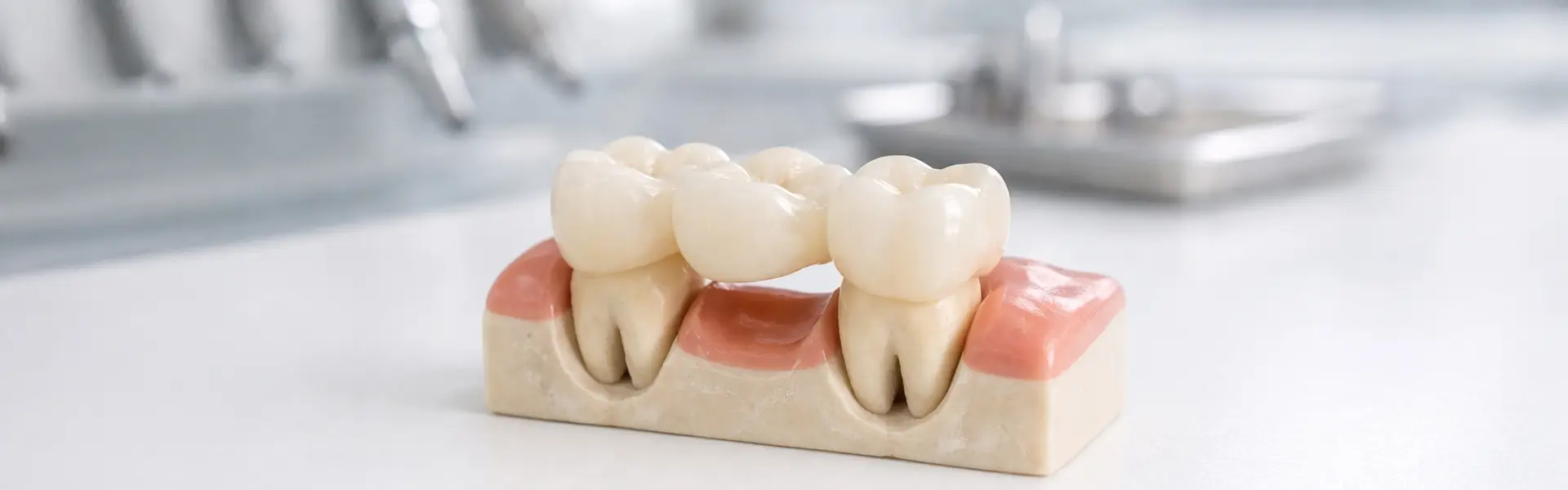
Solving the Problem of Missing Teeth with Dental Bridges in Temecula
The loss of a tooth can have a greater impact on your daily life than many people expect. You may notice food becoming harder to chew, words sounding different, or even feel hesitant to smile during conversations. These changes often happen gradually, making it easy to overlook how much of an impact a gap has on daily life. The good news is that dental bridges in Temecula, CA, offer a dependable way to restore comfort, function, and confidence. Acting early can also help protect your remaining teeth and reduce the risk of future oral health concerns.
What Are Dental Bridges and How Do They Work?
A dental bridge restores the space left by missing teeth with a replacement tooth that is held in place by surrounding teeth or implants. It fills the space with an artificial tooth that is securely supported by neighboring teeth or dental implants.
Treatment typically includes:
- A comprehensive dental examination
- Digital imaging to evaluate your bite and surrounding structures
- Custom fabrication for a precise fit
- Placement and adjustment for comfortable function
Each bridge is carefully crafted to blend with your surrounding teeth, helping it look and feel as natural as possible.
Common Problems Caused by Missing Teeth
It’s easy to think that losing just one tooth only affects your appearance, but that’s rarely the whole story. In reality, tooth loss can affect your oral health in several ways.
You may experience:
- Difficulty chewing tougher foods
- Teeth drifting into the empty space
- Uneven bite pressure
- Speech changes
- Reduced confidence while smiling or speaking
As neighboring teeth drift, hard-to-reach areas may develop, making it easier for plaque to accumulate and contribute to decay or gum disease.
How Dental Bridges Restore Function and Appearance
A well-designed bridge helps restore everyday activities that become difficult after tooth loss. Patients often notice improved chewing efficiency and a more balanced bite.
Beyond appearance, restoring the missing space helps:
- Support neighboring teeth
- Maintain proper tooth alignment
- Improve speech clarity
- Enhance facial balance
- Promote long-term oral stability
Many patients seeking missing teeth replacement appreciate that treatment restores both function and appearance without leaving noticeable gaps.
Different Types of Tooth Bridges Available
Not every patient requires the same solution. Every smile is different, so your dentist will evaluate your oral health and explain which type of bridge is the most appropriate choice for you.
Common choices include:
Traditional Bridges
These are supported by crowns placed on healthy teeth located on each side of the gap.
Cantilever Bridges
A cantilever bridge is typically used when only one adjacent tooth is available to support the restoration.
Maryland Bridges
A conservative option that uses small metal or ceramic wings bonded to nearby teeth instead of full crowns.
Implant-Supported Bridges
For larger spaces requiring multiple tooth replacement, implants provide exceptional stability while reducing stress on adjacent natural teeth.
The best choice depends on factors such as bone support, bite alignment, and overall dental health.
Benefits of Replacing Missing Teeth Promptly
Delaying treatment often allows small problems to become more complex.
Replacing missing teeth early may help:
- Preserve proper bite alignment
- Reduce unnecessary pressure on surrounding teeth
- Improve chewing comfort
- Support clear speech
- Maintain a healthy smile
Research has found that replacing missing teeth can improve chewing ability, speech, and overall quality of life while supporting long-term oral health.
Who Is a Good Candidate for Dental Bridges?
A dental bridge may be recommended for adults who want to replace one or more missing teeth and have healthy supporting teeth or implants.
A good candidate generally has:
- Healthy gums
- Strong supporting teeth or implants
- Good daily oral hygiene
- Stable overall oral health
Your dentist will evaluate the condition of nearby teeth and discuss whether teeth bridgework treatment is the most suitable option or whether another restorative solution would better meet your needs.
Choosing the Right Temecula Dentist for Restorative Treatment
Successful treatment depends as much on careful planning as on the restoration itself.
When selecting a Temecula dentist, look for a practice that offers:
- Thorough clinical evaluations
- Modern digital imaging
- Personalized treatment planning
- High-quality materials
- Follow-up care to monitor long-term success
Careful treatment planning allows your bridge to feel secure, work effectively, and match your natural teeth.
Expert Insight
Replacing a missing tooth does more than fill a gap. It helps protect your bite, nearby teeth, and overall oral health. Early evaluation often allows for more treatment options and may help prevent the need for additional restorative procedures later.
Final Thoughts
A missing tooth affects far more than appearance. Restoring the gap early supports comfortable chewing, clearer speech, healthier alignment, and greater confidence. If you’re considering dental bridges in Temecula, CA, scheduling a professional evaluation can protect your long-term oral health. Anthem Dental Temecula provides personalized treatment recommendations based on your oral health, lifestyle, and restorative needs.
Frequently Asked Questions
With proper oral hygiene and regular dental visits, many bridges last 10 years or longer.
Your dentist will typically use local anesthesia so you remain comfortable while your bridge is being placed.
Yes. Once you adjust to your restoration, most everyday foods can be enjoyed comfortably.
Cleaning around a dental bridge may require special tools, such as floss threaders, interdental brushes, or a water flosser, and your dentist can recommend the best option for you.
Replacing missing teeth generally helps maintain bite stability and reduces the chance of neighboring teeth shifting over time.